 |
| Beautiful buttercup squash ready for the picking. |


Fall is rapidly approaching with every day shorter and cooler than the last. Our garden is almost finished producing vegetables for the year; other than the kale and broccoli (which have been incredibly prolific with the mild weather this year) only winter squash, carrots and beets remain in the field so the starches convert to sugars as the temperatures drop to near freezing at night. Many of our tomatoes are also still ripening slowly so a cover is needed to keep them from the frost at night. I have learned many things throughout the cultivation, harvesting, processing, and storing of our produce. Most importantly, I learned that the deer are the most voracious threat to food around here. I am glad, however, that my most formidable opponent to making delicious grow is not the grasshopper, or weather but large, four-legged herbivores compelled by smell and curiosity. The insects and weather can still take their toll nonetheless. Small burrowing beetle-like critters took quite a few root vegetables and the green beans appealed to the appetite of many grasshoppers probably because they grew among the perimeter of the garden. A cold snap mid-September blasted both the squash and green bean foliage while oddly sparing the tomatoes from destruction. Plants as broad and wide as squash are very difficult to cover with sheets and plastic. Soon, the carrots and beets must be plucked from the soil due to -20°F temperatures which freeze the ground to impermeable hardpan.

Deer destroyed three tomato plants on the edge of the lawn at first. Then they became more brave by venturing onto the deck and pilfering bigger plants with more fruit. Initially, they devoured the leaves, flowers and unripe tomatoes in one night. My first attempt to prevent any further damage by staking up a net of fishing line around the plants resulted in an accidentally self-inflicted puncture wound and subsequent tetanus shot. Definite bonehead maneuver. The tomatoes were abundantly sampled as the tooth marks suggest on this poor beauty to the right. Wire cage material is suitably the best for deer theft prevention. Unfortunately, they proceeded to devour my chili peppers, plant and all. I must say I felt a strong urge to fill my freezer with illegally poached venison at this point, yet it was ultimately my inexperience at fault. The elderberry was absolutely ransacked, although it is kind of comical in its appearance, or lack thereof. However, I still managed to pick a few clusters of berries which are now drying to preserve for later. Perhaps a sauce for leftover venison backstrap from last year is fitting since the deer love to eat them so much. Foods which are linked in the natural world by sustenance often compliment one another when served together.

 |
| The Chili de Arbol was included in the list of casualties. |


The garlic and onions both produced abundant crops although small in individual size due to the short growing season. They must dry-cure for a week or so before being cleaned and the tops removed so they may be stored. Altogether, our crop yield was approximately 2 lbs of garlic and 15 lbs of onions. Almost half of our onions, however, did not develop a thick enough skin on the outer layer to store so I will probably make a large batch of onion soup to use them up quickly. Additionally, I would like to try to dry some onion by slicing it very thin and placing the slices on a screen for a few days. The brilliance of a low humidity climate shines only for cooks who wish to fill their pantry with preserved deliciousness.
 |
| The garlic in particular is truly remarkable. Creamy macadamia-colored orbs of splendid savory magic wrapped in purple skin; it is some of the best tasting garlic I have ever eaten! |

Our potatoes grew well despite a few rotten tubers, which is normal, and a vole or something who snacked on a couple he dug up from the hulled mounds. Each plant produced approximately 8-10 medium to small-sized waxy potatoes. Around 25 lbs of red and yukon gold taters were uprooted altogether. Although the red potatoes do not keep for very long, the yukon golds were packed into a large plastic bin with softwood shavings separating each layer. Potatoes, garlic and onions must be stored out of any direct light, humidity, or high temperatures.
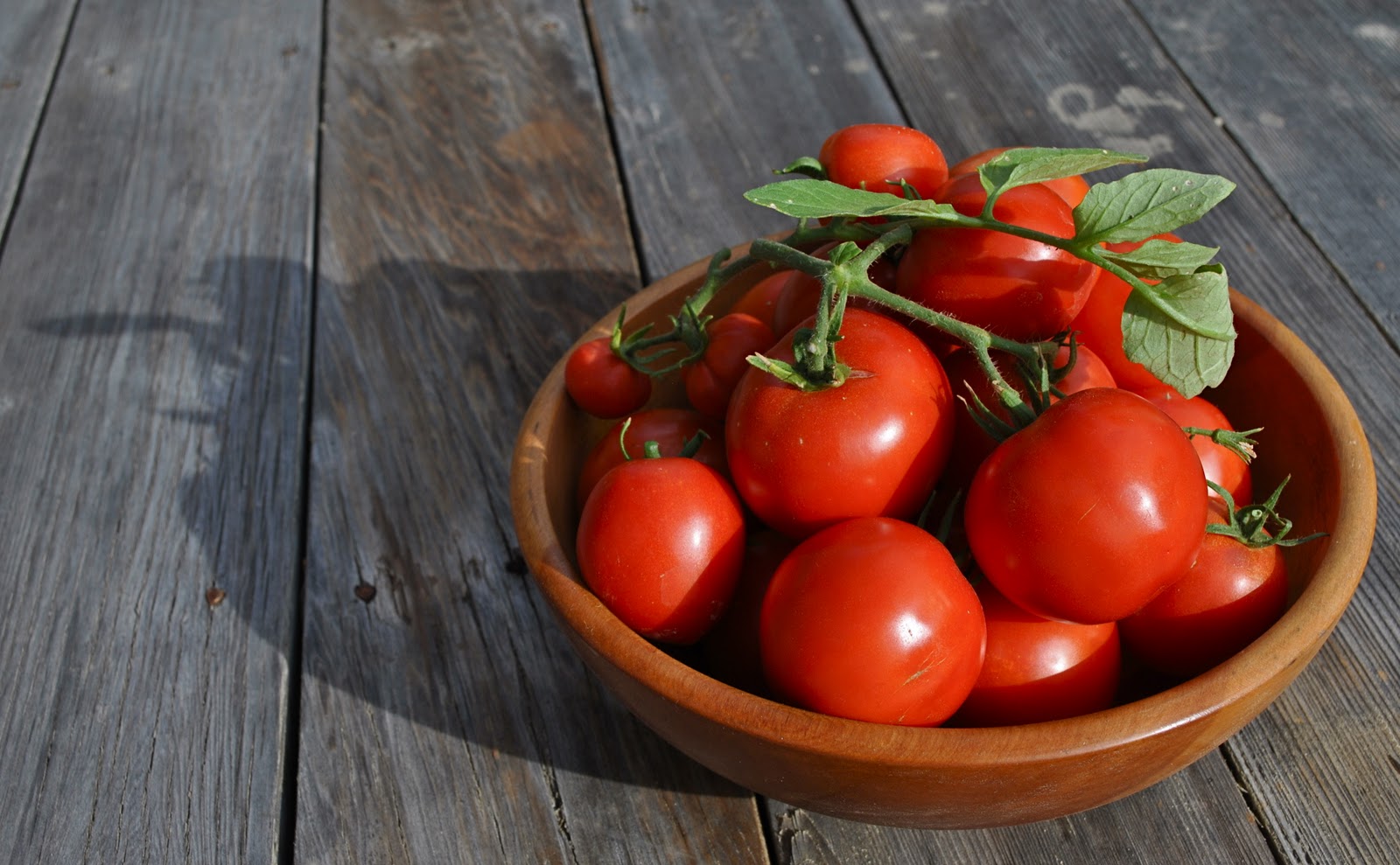
As for the rest of our produce, traditional processing methods are used to maximize longevity of utilization while showcasing the primary essence and freshness of each product. Some examples include:
- dried chilies
- dried berries
- frozen, blanched broccoli
- pico de gallo salsa
- tomato soup
- vegetable stock
- zuchini bread
- potato salad
- bread and butter pickles
- canned beets
 |
| This jalapeno is the sole-surviving pepper! |


